
• This week in Southeast Asian Archaeology: broken pots, painted hands, and returning relics.⠀
⠀
The main story is a new paper on Angkorian ceramics from Thala Borivat and Sambor, showing how Angkor’s eastern Mekong provinces were connected through roads, rivers, rapids and local choices — not one neat supply chain.⠀
⠀
Also featured: Tham Pha Mue in Laos opens to visitors, a site I studied and helped document; Cambodia welcomes the return of three sculptures from the US; plus updates from Bujang Valley, Mỹ Sơn and Bagan.⠀
⠀
Read this week’s issue: https://bit.ly/3QjsdVO ⠀
⠀
#SoutheastAsianArchaeology #Angkor #Cambodia #Laos #RockArt #Archaeology #Heritage #Mekong
  • Boats, pots, and prehistoric know-how this week at Southeast Asian Archaeology.⠀
⠀
In the new newsletter:⠀
🛶 outrigger boat motifs in Sulawesi rock art⠀
🏺 new perspectives on pottery in Timor-Leste⠀
👑 the restored Nguyen Dynasty throne⠀
🎟️ falling ticket sales at Angkor⠀
⚖️ a new book on archaeology and Philippine law⠀
⠀
#Archaeology #SoutheastAsia #Heritage #RockArt #TimorLeste #Indonesia
  • Brunei’s archaeology does not get nearly enough attention.⠀
⠀
For this bonus post, I’m looking at Kota Batu Archaeological Park, the site of Brunei’s old capital. It is not a spectacular ruin in the usual sense — no towering temples, no monumental gateways — but its fragments tell a fascinating story: tombs, ceramics, sandstone pillar bases, river defences, house posts, imported wares, and traces of a working port city.⠀
⠀
Kota Batu shows Brunei not as a quiet corner of Southeast Asian archaeology, but as part of the maritime world that linked Borneo with China, Vietnam, Thailand, the Philippines and beyond.
  • This week’s Southeast Asian Archaeology newsletter is about movement, adaptation, and why archaeology is rarely as tidy as we pretend.⠀
⠀
Inside:⠀
🏹 a new review of bow-and-arrow evidence from India to Oceania⠀
🪙 a study of how Roman materials were filtered and remade in Southeast Asia⠀
🌊 new work on maritime links between Angkor and China during the megadrought period⠀
⠀
Also this week: Angkor palace waterworks, the Cẩm An shipwreck, and the reopening of Phimai National Museum.⠀
⠀
Link in bio / https://bit.ly/4dV88wS ⠀
#SoutheastAsianArchaeology #Archaeology #Heritage #Angkor #Vietnam #Thailand #Cambodia #AncientTrade #MaritimeArchaeology
  • New this week in Southeast Asian Archaeology: the Plain of Jars, trade beads, burial rituals, Philippine obsidian, coastal watchtowers, public archaeology, and a museum rethink of the galleon trade.⠀
⠀
The lead story is a new paper from Laos, where one huge jar at Site 75 contained the remains of at least 37 people and hints at a long, careful mortuary tradition. From there, the issue moves across the region, with a particularly strong run of stories from the Philippines on exchange networks, local histories, and the stories archaeology tells in public.⠀
⠀
Jars, beads, boats, and the occasional inconvenient fact. https://bit.ly/3RqKWyW ⠀
⠀
#SoutheastAsianArchaeology #Archaeology #Heritage #Laos #Philippines #Museums #PublicHistory
  • This week: Đồng Dương, ancient Champa, broken bricks, border temples, Buddhist architecture on the move, and a reminder that archaeology is rarely just about the past.⠀
⠀
Link in bio / read here: https://bit.ly/4ePHSpL ⠀
⠀
#SoutheastAsianArchaeology #DongDuong #Champa #Vietnam #Cambodia #Thailand #Myanmar #Archaeology #Heritage
  • This week in Southeast Asian Archaeology: a remarkable burial find in Phetchaburi, an old perahu under review in Kelantan, and the Po Nagar festival in Vietnam as a case of living heritage in action. ⠀
⠀
https://bit.ly/48PAeI5 ⠀
⠀
#archaeology #southeastAsia #southeastasianarchaeology
  • The Ayala Museum’s Gold of Ancestors exhibition showcases over a thousand gold objects, many originating from Butuan and the Surigao Treasure and generally dated to the 10th–13th centuries CE. These pieces demonstrate the Philippines’ participation in extensive regional trade networks and the high level of craftsmanship achieved before Spanish colonisation.

#southeastasianarchaeology #philippines #ayalamuseum #surigao #butuan
  • A quick visit to the National Museum of the Philippines earlier this week, particularly to the National Museum of Anthropology. Here are my 5 highlights.

Have you been to the National Museum in Manila? What are your favourite pieces?

#manila #philippines #nationalmuseum #archaeology #southeastasianarchaeology
  • From Angkor wall repairs and Óc Eo museum plans to Preah Vihear restoration politics and Sulawesi cliff burials, this week’s newsletter rounds up Southeast Asian archaeology with context. Subscribe for the stories behind the headlines.

https://bit.ly/4w8870M
Saturday, June 20, 2026
Southeast Asian Archaeology
  • News
  • Resources
  • Countries
    • Southeast Asia
    • Mainland Southeast Asia
      • Cambodia
      • Laos
      • Malaysia
      • Myanmar
      • Thailand
      • Vietnam
    • Island Southeast Asia
      • Brunei
      • Indonesia
      • Malaysia
      • Philippines
      • Singapore
      • Timor Leste
    • Peripheral Southeast Asia
  • Topics
    • Artifact Type
      • Architecture
      • Bones and Burials
      • Ceramics
      • Intangible Cultural Heritage
      • Lithics
      • Megaliths
      • Rock Art
      • Sculpture
    • Field
      • Anthropology
      • Bioarchaeology
      • Epigraphy
      • General Archaeology
      • Metallurgy and Metalworking
      • Paleontology
      • Underwater Archaeology
      • Visual Art
      • Zooarchaeology
    • Other Themes
      • Animism
      • Buddhism
      • Christianity
      • Disaster Risk Management
      • Hinduism
      • Islam
      • Archaeological Tourism in Southeast Asia
  • Visit
    • Virtual Archaeology
    • Unesco World Heritage
  • Jobs
  • Subscribe
  • About
    • About
    • Supporters
    • Terms of Use
    • Privacy Policy
    • Contact
No Result
View All Result
Southeast Asian Archaeology
  • News
  • Resources
  • Countries
    • Southeast Asia
    • Mainland Southeast Asia
      • Cambodia
      • Laos
      • Malaysia
      • Myanmar
      • Thailand
      • Vietnam
    • Island Southeast Asia
      • Brunei
      • Indonesia
      • Malaysia
      • Philippines
      • Singapore
      • Timor Leste
    • Peripheral Southeast Asia
  • Topics
    • Artifact Type
      • Architecture
      • Bones and Burials
      • Ceramics
      • Intangible Cultural Heritage
      • Lithics
      • Megaliths
      • Rock Art
      • Sculpture
    • Field
      • Anthropology
      • Bioarchaeology
      • Epigraphy
      • General Archaeology
      • Metallurgy and Metalworking
      • Paleontology
      • Underwater Archaeology
      • Visual Art
      • Zooarchaeology
    • Other Themes
      • Animism
      • Buddhism
      • Christianity
      • Disaster Risk Management
      • Hinduism
      • Islam
      • Archaeological Tourism in Southeast Asia
  • Visit
    • Virtual Archaeology
    • Unesco World Heritage
  • Jobs
  • Subscribe
  • About
    • About
    • Supporters
    • Terms of Use
    • Privacy Policy
    • Contact
No Result
View All Result
Southeast Asian Archaeology
No Result
View All Result
ADVERTISEMENT

Related Posts

Source: Australian Geographic 20240725

Conserving Kabayan Mummies: Aussie Experts Unite with Ibaloi

31 July 2024
0
27

...

Source: Stephen Acabado 20240715

Banaue Rice Terraces Ad Error at NAIA Goes Viral

19 July 2024
0
54

...

Source: Vietnam Net 20240704

Unique 17th-Century Monk Relics at Dau Pagoda

5 July 2024
0
234

...

Source: Rappler 202406330

Benguet Museum Engages Kids with Ibaloi Culture

1 July 2024
0
42

...

Popular This Week

  • Southeast Asian Archaeology from a Rock Art Perspective (with annotations)

    Southeast Asian Archaeology from a Rock Art Perspective (with annotations)

    0 shares
    Share 0 Tweet 0
  • Southeast Asian Archaeology memes that will tickle your funny bone and also make you ponder

    68 shares
    Share 68 Tweet 0
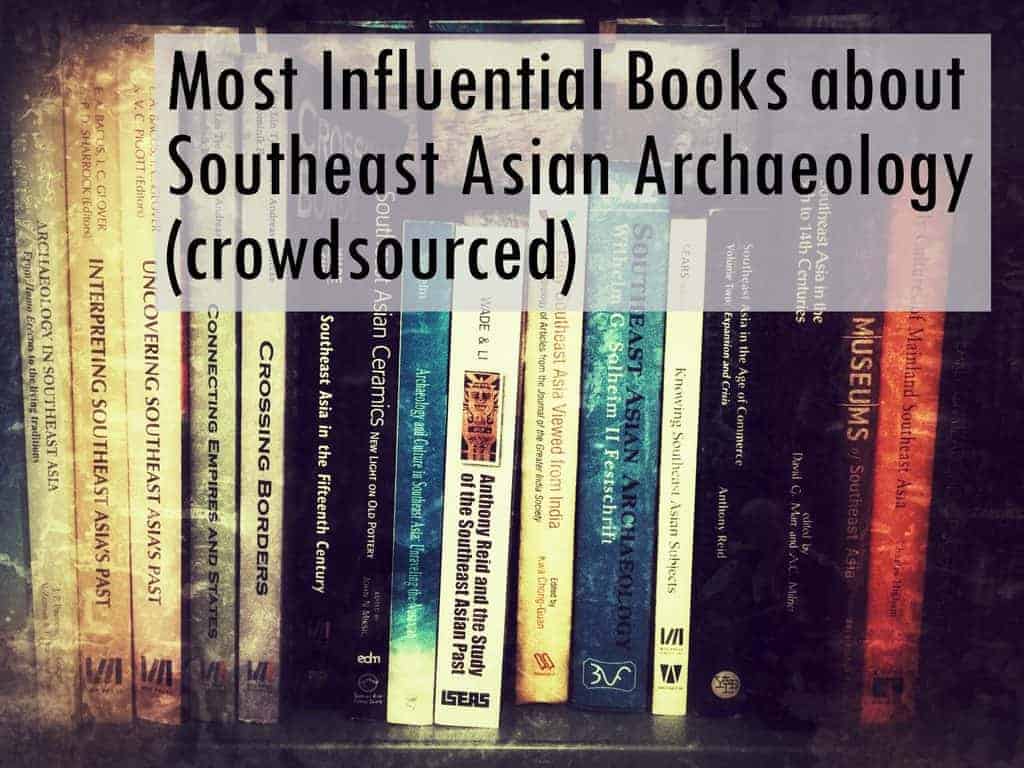
  • The most influential books on Southeast Asian Archaeology (a crowdsourced list)

    0 shares
    Share 0 Tweet 0
  • Negritos or Malays: Who are the original inhabitants of the Philippines?

    2 shares
    Share 2 Tweet 0
  • Borobudur’s Eco-Friendly Step: Upanat Sandals for Sustainable Tourism

    0 shares
    Share 0 Tweet 0
Buy me a coffeeBuy me a coffee

If you found this site useful, you can help support it by buying me a coffee!

Mummies in the Philippines

9 August 2006
in Philippines
Tags: Benguet (province)bioarchaeologyIbaloi (people)Kabayan (municipality)mummyPhilippine Cordilleras (region)
0
SHARES
511
VIEWS

An unusual post by comparison, because it’s not based on a news report. I managed to catch the Fire Mummies of the Philippines that was showing on Discovery Channel (Asia) over these last two days which led me to do a web search about the mummies in Philippines, especially since there isn’t usually a lot of news on the archaeology of Philippines.

The mummies of Kabayan, in the Benguet Province, part of the Cordillera mountain range in North Luzon (the main island of the Philippines) is home to the Ibaloi people, who have a tradition of mummifying their dead between the 13th and 16th century. This practice was stopped by Spanish colonisers who introduced Christianity and the practice of burial.

Like most mummy-making processes, the bodies are preserved by dehydration. The dying or dead person is made to ingest salt water to dry the internal organs. Upon death, the body is sat above a small fire to expel fluids from the body. Finally, the body is sun-dried with the help of the community and placed in a prepared pinewood coffin. The coffins are interred in burial caves carved into the rock through the mountain. The entire process takes approximately two years.

Over 200 caves have been identified, and 15 of them contain human remains. It is suspected that the locals know of the existence of more mummies, but are unwilling to disclose their location because of widespread looting that has taken place. Looting for skulls and teeth by private collectors overseas have led to massive destruction of many of the bodies, while some locals go after fingers and fingernails as talismans for good luck. There simply isn’t enough funding to go around to protect these sites, even after having been flagged by Monument Watch.

Subscribe to the weekly Southeast Asian Archaeology news digest

Latest Books

The following are affiliate links for which I may earn a commission if you click and make a purchase. Click here for more books about Southeast Asian archaeology.
Sale Malay Silver and Gold: Courtly Splendour from Indonesia, Malaysia, Singapore, Brunei and Thailand
Malay Silver and Gold: Courtly Splendour from...
Amazon Prime
$38.54
Buy on Amazon
Sale The Oxford Guide to the Malayo-Polynesian Languages of Southeast Asia (Oxford Guides to the World's Languages)
The Oxford Guide to the Malayo-Polynesian...
Amazon Prime
$165.87
Buy on Amazon
Sale Majapahit: Sculptures from a Forgotten Kingdom
Majapahit: Sculptures from a Forgotten Kingdom
$44.08
Buy on Amazon
Sale Majapahit: Intrigue, Betrayal and War in Indonesia’s Greatest Empire
Majapahit: Intrigue, Betrayal and War in...
Amazon Prime
$15.74
Buy on Amazon
Sale The Story of Southeast Asia
The Story of Southeast Asia
$24.11
Buy on Amazon
Buddhist Landscapes: Art and Archaeology of the Khorat Plateau, 7th to 11th Centuries
Buddhist Landscapes: Art and Archaeology of the...
Amazon Prime
$56.00
Buy on Amazon

Comments 2

  1. Liz says:
    20 years ago

    I manged to see this Discovery programme on M’sian TV last night. Fascinating. But its a shame that they cannot protect the cave sites more. As the researcher Orlando said, he returns every month to the caves,but he doesn’t know if they have been raided in the meantime.

  2. Grace says:
    19 years ago

    Hi there,

    Would you please kindly advise if you remember the title or any important works or books regarding this topic?

    I am from Ibaloi tribe from my mother’s side; I grew up on these mountains when I was little….. Whilst I am now living in Australia, the memories and the strong blood runs in me and I am quite sad when I heard about this looting a few years ago. Googling is not bringing much information, but I hope I can find this documentary with your help.

    I recently went back home to attend the ceremony of honoring my grandfather, uncle and great grandmother’s death – the ceremonies are still the same, and have not changed for years. How I was the centuries of history in our ancestors have not been violated andn touched through greed…but there is still our culture left and the wonderful people.

    Many thanks for your help, if any.

    Cheers,
    G.-

Leave a Reply

Your email address will not be published. Required fields are marked *

I agree to the Terms & Conditions and Privacy Policy.

This site uses Akismet to reduce spam. Learn how your comment data is processed.

Southeast Asian Archaeology

© 2019

Navigate Site

  • News
  • Resources
  • Countries
  • Topics
  • Visit
  • Jobs
  • Subscribe
  • About

Follow

Never Miss a Discovery
Subscribe for Exclusive Southeast Asian Archaeology News!

Stay connected with the latest breakthroughs, research, and events from across Southeast Asia’s archaeology scene. Sign up today for exclusive weekly updates, trusted by over 2,000 subscribers.

×
No Result
View All Result
  • News
  • Resources
  • Countries
    • Southeast Asia
    • Mainland Southeast Asia
      • Cambodia
      • Laos
      • Malaysia
      • Myanmar
      • Thailand
      • Vietnam
    • Island Southeast Asia
      • Brunei
      • Indonesia
      • Malaysia
      • Philippines
      • Singapore
      • Timor Leste
    • Peripheral Southeast Asia
  • Topics
    • Artifact Type
      • Architecture
      • Bones and Burials
      • Ceramics
      • Intangible Cultural Heritage
      • Lithics
      • Megaliths
      • Rock Art
      • Sculpture
    • Field
      • Anthropology
      • Bioarchaeology
      • Epigraphy
      • General Archaeology
      • Metallurgy and Metalworking
      • Paleontology
      • Underwater Archaeology
      • Visual Art
      • Zooarchaeology
    • Other Themes
      • Animism
      • Buddhism
      • Christianity
      • Disaster Risk Management
      • Hinduism
      • Islam
      • Archaeological Tourism in Southeast Asia
  • Visit
    • Virtual Archaeology
    • Unesco World Heritage
  • Jobs
  • Subscribe
  • About
    • About
    • Supporters
    • Terms of Use
    • Privacy Policy
    • Contact

© 2019

This website uses cookies. By continuing to use this website you are giving consent to cookies being used. Visit our Privacy and Cookie Policy.