Humans lived in Niah Caves 100,000 years ago
via Sarawak Tribune, 29 September 2019: Part of last week's International Conference on Archaeology, Prof. Darren Curnoe from Griffith University ...
![This week in Southeast Asian Archaeology: Prambanan gets some renewed attention, Phimai Black pottery surfaces at Mun Bon Dam, and I’m taking a short break next week.⠀
⠀
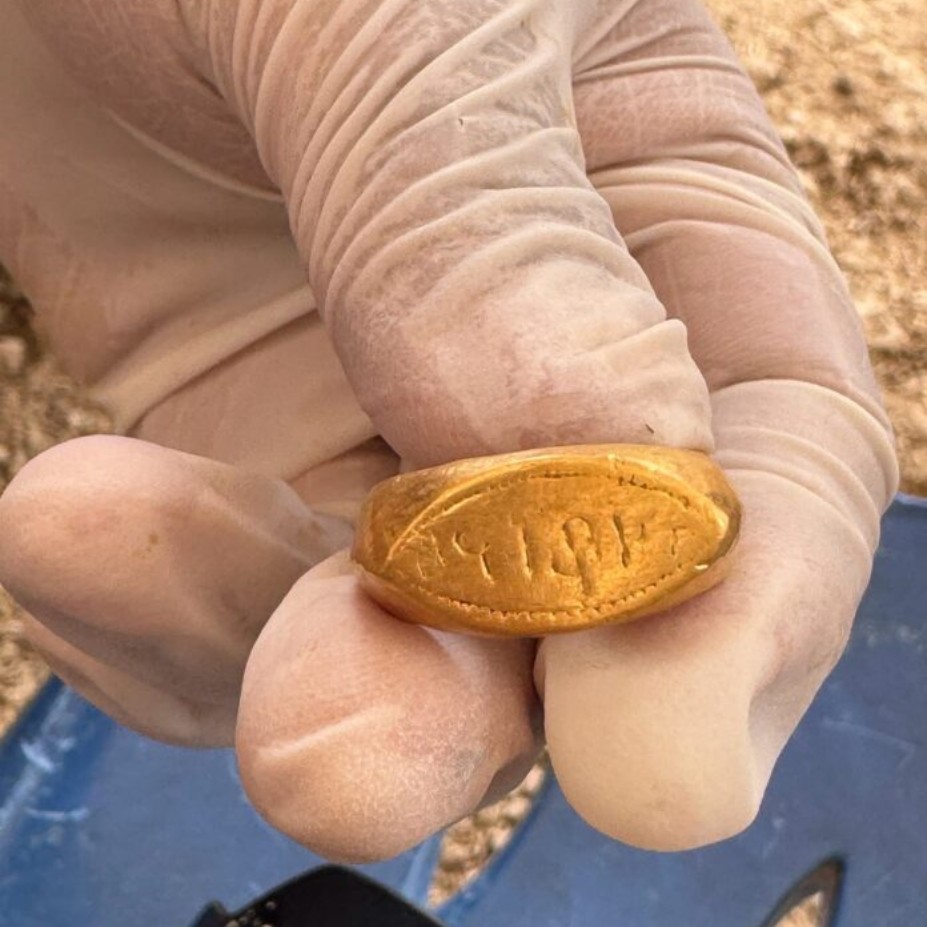
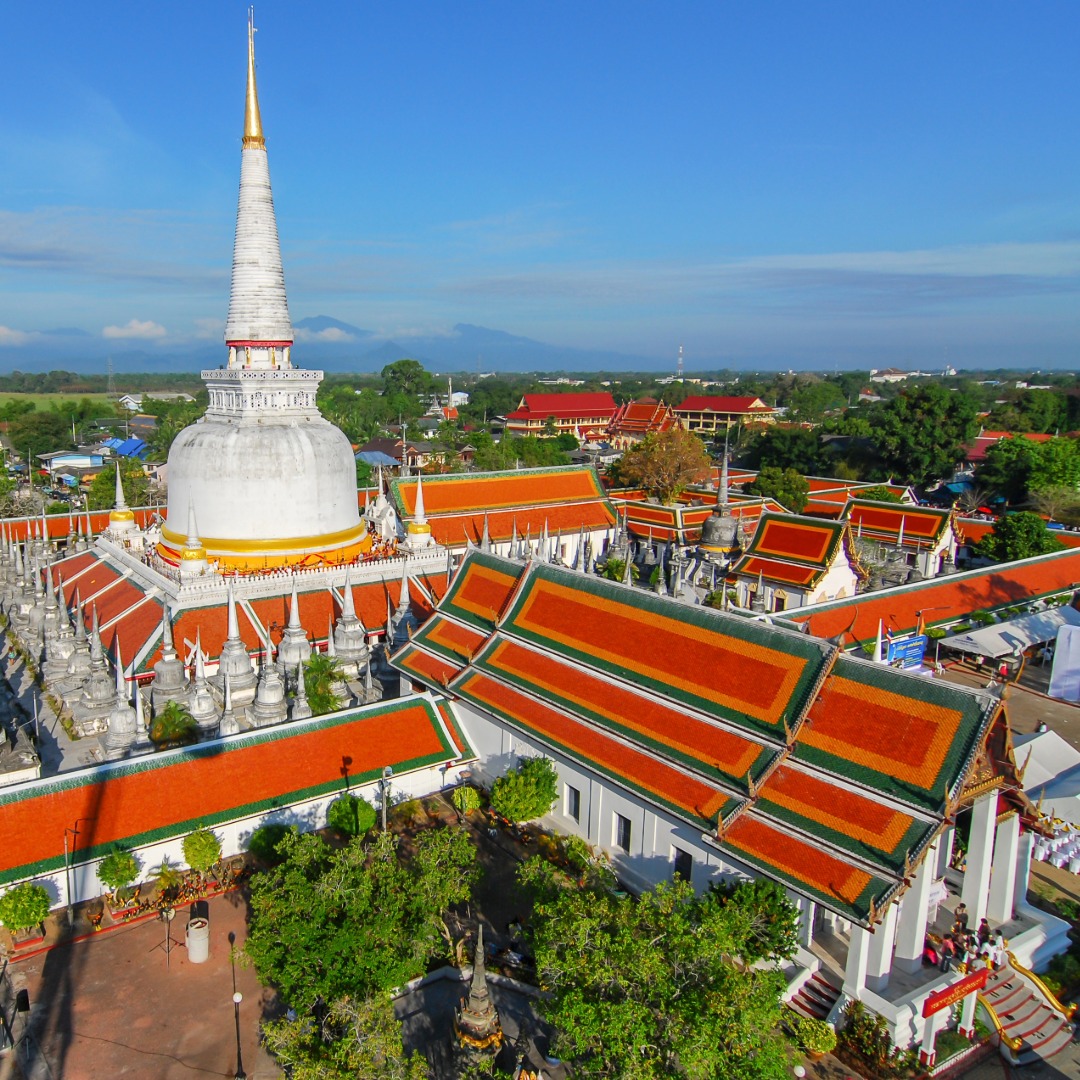
The featured stories look at the new Indonesia–India conservation project at Prambanan, focusing on the temple complex’s ruined perwara shrines, and a striking Late Prehistoric find in northeast Thailand: a remarkably complete Phimai Black vessel discovered as water levels fell at Mun Bon Dam.⠀
⠀
Temples, pottery, reservoirs, and a little scheduled rest. Back again on 27 July.⠀
⠀
Read this week’s newsletter: [link in bio]⠀
⠀
#SoutheastAsianArchaeology #Archaeology #Heritage #Prambanan #Thailand #Indonesia #Cambodia #Vietnam #CulturalHeritage #Substack](https://scontent-sin6-3.cdninstagram.com/v/t51.82787-15/744214042_18361115071209510_2262608560893170251_n.jpg?stp=dst-jpg_e35_tt6&_nc_cat=110&ccb=7-5&_nc_sid=18de74&efg=eyJlZmdfdGFnIjoiRkVFRC5iZXN0X2ltYWdlX3VybGdlbi5DMyJ9&_nc_ohc=efvF5aVfY5EQ7kNvwHCwB5Y&_nc_oc=Adrhygfs4_3OVhjr2Rgbgpm8FmeWkE2yymjBA2vziLdP9JGysLT5sw8HvP0DyoT9ok0&_nc_zt=23&_nc_ht=scontent-sin6-3.cdninstagram.com&edm=ANo9K5cEAAAA&_nc_gid=E2a971KxU5zWh5nw04VahQ&_nc_tpa=Q5bMBQG3isXxBQ6X2iiWSZMjLP-e67HFOBtkU91-gQ-AKbsKRt5f8E-T4V3vusgBi5f3KhWHhujQj78B&oh=00_AQDe-6UC5alsUH9NnC76ElPMhHOuQqr5Md7rQWU22phWgQ&oe=6A65E271 "This week in Southeast Asian Archaeology: Prambanan gets some renewed attention, Phimai Black pottery surfaces at Mun Bon Dam, and I’m taking a short break next week.⠀
⠀
The featured stories look at the new Indonesia–India conservation project at Prambanan, focusing on the temple complex’s ruined perwara shrines, and a striking Late Prehistoric find in northeast Thailand: a remarkably complete Phimai Black vessel discovered as water levels fell at Mun Bon Dam.⠀
⠀
Temples, pottery, reservoirs, and a little scheduled rest. Back again on 27 July.⠀
⠀
Read this week’s newsletter: [link in bio]⠀
⠀
#SoutheastAsianArchaeology #Archaeology #Heritage #Prambanan #Thailand #Indonesia #Cambodia #Vietnam #CulturalHeritage #Substack")



The Pleistocene is a geological period referring to approximately between 2.5 million to 11,700 years ago.
See also: Holocene, Palaeolithic, Neolithic
via Sarawak Tribune, 29 September 2019: Part of last week's International Conference on Archaeology, Prof. Darren Curnoe from Griffith University ...

via Quartenary Science Reviews, Oct 2019: A new paper reviews symbolic expressions in the Pleistocene archaeological record from Southeast Asia ...

via ANU News, 26 August 2019: More on the discovery of skulls from Alor Island. The paper from the Journal ...
![[Paper] Burial traditions in early Mid-Holocene Island Southeast Asia: new evidence from Bubog-1, Ilin Island, Mindoro Occidental](https://www.southeastasianarchaeology.com/wp-content/uploads/2019/08/10.15184@aqy.2018.jpg)
via Antiquity, 12 August 2019: Report on flexed burials on Ilin Island, Philippines.
![[Paper] The Pleistocene geoarchaeology and geochronology of Con Moong Cave, North Vietnam: Site formation processes and hominin activity in the humid tropics](https://www.southeastasianarchaeology.com/wp-content/uploads/2019/08/10.1002@gea.jpg)
via Geoarchaeology, 10 Aug 2019: New results from the Con Moong Cave in Vietnam.
![[Book] Archaeologies of Island Melanesia](https://www.southeastasianarchaeology.com/wp-content/uploads/2019/08/9781760463021-b-thumb-TA51.jpg)
via ANU EPress: A new book from the Australian National University Press. The book is for sale, but the digital ...

via the Journal of Human Evolution, September 2019: A new paper in JHE reports the discovery of human remains from ...
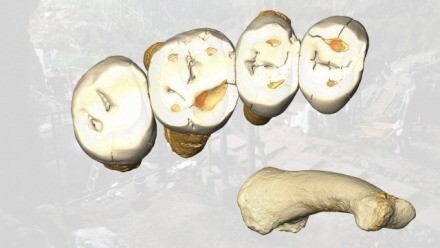
Readers in Canberra may be interested in this talk by Dr Armand Mijares on the recent homo luzonensis find.

via Cell, 10 April 2019: A new paper in Cell shows that Genome sequences from Island Southeast Asia suggest two ...

via Phys.org, 09 April 2019: Another ancient hominid species was discovered in Indonesia earlier this month, described in another paper ...

© 2019