





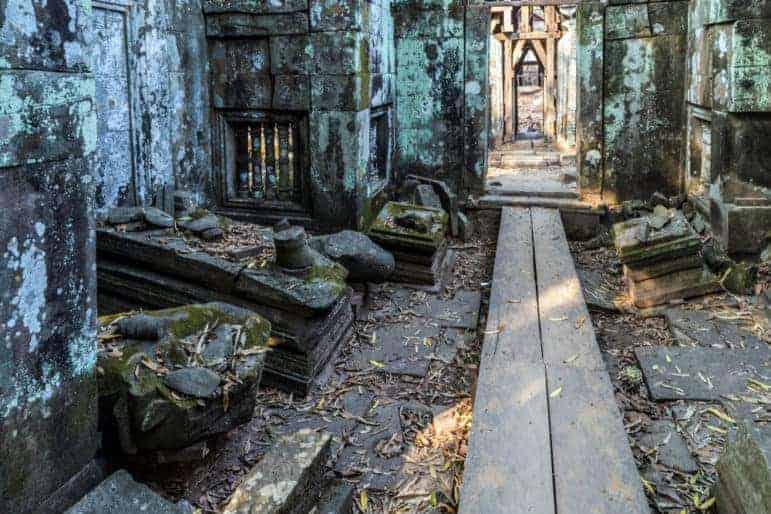
via the Global Investigative Journalism Network, 20 September 2021: Not dealing with Southeast Asia specifically (although Cambodia gets a brief mention) this article takes a global look at organised crime networks and their role in antiquities trade.
The final market for trafficked antiquities is open and public. Antiquities buyers are private collectors, usually high net-worth individuals of considerable social standing, or are our most respected cultural institutions and museums. Unlike consumers of, say, illicit drugs or arms, these antiquities buyers must be able to conspicuously consume their purchases without fear of legal reprisal. Antiquities are bought to be displayed. Thus the criminal networks that have developed to supply this market launder the antiquities, cleaning the taint of theft from them, obscuring evidence of crime, and allowing otherwise upstanding buyers to suspend disbelief and engage in what research has shown is a gray market, infiltrated by organized crime.
The direct connection between art market elites and organized crime may surprise the public. Museums, auction houses, and white-collar art collectors are seen as respectable, and their links to organized criminal networks and the destructive pillaging of our collective cultural heritage is concerning. Investigations into the trafficking of antiquities have, for example, linked: Sotheby’s auction house directly to the pillaging of Cambodian temples; owners of the US craft store Hobby Lobby with the looting (and recent return) of thousands of artifacts from southern Iraq; and the destruction of Greek and Italian tombs to institutions such as the Getty Museum. These are compelling stories that reveal how global inequalities are exploited.
Source: Organized Crimes Series: Antiquities and Stolen Art Trafficking