
• This week on Southeast Asian Archaeology: rare bronze Mahoratuek drums surface in Thailand, gold-glazed terracotta helps redraw Vietnam’s Ho Citadel, and Aceh War “loot” gets a long-overdue digital reckoning.⠀
⠀
https://bit.ly/46lX88H
  • Circuits, Ceramics, and Colonial Archives is out now 🏛️🌊📜 CNY/Tết (Year of the Horse) greetings + this week’s theme: heritage in a hurry—Angkor’s “high risk” Baksei Chamkrong, Sibonga church repairs post-Odette, and Indonesia’s 152-site revitalisation push. Read: https://bit.ly/3Mswq7G
  • Heritage isn’t just awe—it’s upkeep. This week: a historic building floor collapse at Siak Palace, Beng Mealea’s walkway repairs, Ponagar Tower’s arts show paused over losses.⠀
 ⠀
https://bit.ly/4chkwIb⠀
  • Biases, Bones & Burāq — this week’s Southeast Asian Archaeology newsletter is all about how small corrections can change big histories.⠀
⠀
We’ve got four fresh research reads:⠀
 🐟 Neolithic expansion that looks a lot more “rice and fish” once recovery bias is taken seriously⠀
 📜 An illuminated Qur’an section from Java on dluwang (treebark paper), with clues that push it earlier than you might expect⠀
 🐀 Timor-Leste’s giant/large murids, measured in detail to track changing ecologies (and a late crash)⠀
 ⚱️ Ban Non Wat grave size and offerings, mapping a sharp spike—and then easing—of social distinction⠀
⠀
And for a screen break: a small mention of PBS’s Angkor: Hidden Jungle Empire.⠀
⠀
Read the full roundup here: https://bit.ly/45Gh2uN ⠀
 #Archaeology #SoutheastAsia #Heritage #Anthropology #Museums #History
  • This week in Southeast Asian Archaeology: Sulawesi just delivered a headline-grabbing ~67,800-year-old hand-stencil date, Huế’s Imperial Citadel restoration has revealed a trilingual astronomical mural, and Malaysia’s new Guar Kepah Archaeological Gallery opens with the “Penang Woman” at centre stage. Deep time, dynastic science, and fresh public heritage spaces—come catch up on the week’s stories.⠀
⠀
https://bit.ly/3NG7WIg
  • New week, new reads: a “Southwestern Silk Road” model for amber into Han China, the biggest Austroasiatic genomic dataset yet (with Dvaravati/Angkor-era signals), plus rock art methods and fresh motifs from Malaysia and Laos. Molecules, motifs, and migration stories — all in one roundup.

Amber, Ancestry and Arty hands https://bit.ly/3LAK20c
  • New year, new (very full) newsletter From Java Man coming home to Jakarta to Khmer sculptures heading back to Cambodia and a bleak month on the Thai–Cambodian border, catch up on a whole month of Southeast Asian archaeology: https://bit.ly/4syuWJh
  • This week’s Southeast Asian Archaeology newsletter is all about the invisible infrastructure of knowledge — the stuff behind the sites. We look at Cambodia’s push to access the late Emma Bunker’s notebooks as a potential roadmap to looted Khmer art, a Thanh Hóa village communal house where 47 imperial edicts were quietly stashed in bamboo tubes for centuries, and Jingdezhen’s “ceramic gene bank” in China, where millions of sherds and glaze recipes are treated like DNA for porcelain. From roof beams to databases, it’s a reminder that archives, records and lab data shape what we think we know about the past just as much as temples and shipwrecks do. Plus the usual mix of regional news, grants, jobs and heritage politics — link in bio/newsletter below.

https://bit.ly/3XIeV5h
  • Genomes point to a 60,000-year “long chronology” for the first settlers of Sahul, while new DNA links China’s hanging coffins to the modern Bo people. #southeastasianarchaeology
 
Read here: https://bit.ly/4a64D6z
  • Southeast Asia’s past is on tour this week — from Bangkok’s royal treasures in Beijing’s Palace Museum to Cham sculptures in Đà Nẵng, Khmer–Chinese exchanges in Phnom Penh, and 14th-century Temasek sherds greeting commuters in a Singapore MRT station. 

In the latest Southeast Asian Archaeology newsletter, a look at how exhibitions are carrying the region’s history into train platforms, diplomatic halls and hands-on museum workshops, plus what this means for soft power, heritage policy and public archaeology. US readers will also spot a small Thanksgiving note of gratitude to the people and institutions who keep these stories alive.

Read the full issue and subscribe here: https://bit.ly/4oeZz2S 

#SoutheastAsia #Archaeology #Museums #Heritage #Thailand #Cambodia #Vietnam #Singapore #Beijing #PalaceMuseum
Saturday, March 7, 2026
Southeast Asian Archaeology
  • News
  • Resources
  • Countries
    • Southeast Asia
    • Mainland Southeast Asia
      • Cambodia
      • Laos
      • Malaysia
      • Myanmar
      • Thailand
      • Vietnam
    • Island Southeast Asia
      • Brunei
      • Indonesia
      • Malaysia
      • Philippines
      • Singapore
      • Timor Leste
    • Peripheral Southeast Asia
  • Topics
    • Artifact Type
      • Architecture
      • Bones and Burials
      • Ceramics
      • Intangible Cultural Heritage
      • Lithics
      • Megaliths
      • Rock Art
      • Sculpture
    • Field
      • Anthropology
      • Bioarchaeology
      • Epigraphy
      • General Archaeology
      • Metallurgy and Metalworking
      • Paleontology
      • Underwater Archaeology
      • Visual Art
      • Zooarchaeology
    • Other Themes
      • Animism
      • Buddhism
      • Christianity
      • Disaster Risk Management
      • Hinduism
      • Islam
      • Archaeological Tourism in Southeast Asia
  • Visit
    • Virtual Archaeology
    • Unesco World Heritage
  • Jobs
  • Subscribe
  • About
    • About
    • Supporters
    • Terms of Use
    • Privacy Policy
    • Contact
No Result
View All Result
Southeast Asian Archaeology
  • News
  • Resources
  • Countries
    • Southeast Asia
    • Mainland Southeast Asia
      • Cambodia
      • Laos
      • Malaysia
      • Myanmar
      • Thailand
      • Vietnam
    • Island Southeast Asia
      • Brunei
      • Indonesia
      • Malaysia
      • Philippines
      • Singapore
      • Timor Leste
    • Peripheral Southeast Asia
  • Topics
    • Artifact Type
      • Architecture
      • Bones and Burials
      • Ceramics
      • Intangible Cultural Heritage
      • Lithics
      • Megaliths
      • Rock Art
      • Sculpture
    • Field
      • Anthropology
      • Bioarchaeology
      • Epigraphy
      • General Archaeology
      • Metallurgy and Metalworking
      • Paleontology
      • Underwater Archaeology
      • Visual Art
      • Zooarchaeology
    • Other Themes
      • Animism
      • Buddhism
      • Christianity
      • Disaster Risk Management
      • Hinduism
      • Islam
      • Archaeological Tourism in Southeast Asia
  • Visit
    • Virtual Archaeology
    • Unesco World Heritage
  • Jobs
  • Subscribe
  • About
    • About
    • Supporters
    • Terms of Use
    • Privacy Policy
    • Contact
No Result
View All Result
Southeast Asian Archaeology
No Result
View All Result
ADVERTISEMENT

Related Posts

Source: The Debrief 20240727

51,200-Year-Old Sulawesi Cave Art: Hominin or Human?

29 July 2024
0
104

...

The Great Cave of Niah in Sarawak

Malaysia’s Niah Caves Added to World Heritage List

28 July 2024 - Updated on 31 July 2024
0
67

...

Source: The Nation 20240727

Phu Prabat Historical Park Joins UNESCO World Heritage List

28 July 2024 - Updated on 29 July 2024
0
106

...

Source: GMA Online 20240716

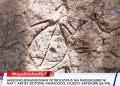
The Historic Angono-Binangonan Petroglyphs of the Philippines

19 July 2024
0
216

...

Popular This Week

  • Southeast Asian Archaeology from a Rock Art Perspective (with annotations)

    Southeast Asian Archaeology from a Rock Art Perspective (with annotations)

    0 shares
    Share 0 Tweet 0
  • The most influential books on Southeast Asian Archaeology (a crowdsourced list)

    0 shares
    Share 0 Tweet 0
  • Southeast Asian Archaeology memes that will tickle your funny bone and also make you ponder

    68 shares
    Share 68 Tweet 0
  • Negritos or Malays: Who are the original inhabitants of the Philippines?

    2 shares
    Share 2 Tweet 0
  • Explore Southeast Asia through these virtual galleries

    616 shares
    Share 616 Tweet 0
Buy me a coffeeBuy me a coffee

If you found this site useful, you can help support it by buying me a coffee!

Scenes from the World Rock Art course in KL

8 December 2008
in Malaysia
Tags: Griffith UniversityGua Tambun (site)Kuala Lumpur (city)Mokhtar Saidin (person)Paul Taçon (person)rock artSally K. May (person)University of Nottingham
0
SHARES
20
VIEWS

A couple of weeks ago, I got the chance to attend the World Rock Art course at the University of Nottingham’s Kuala Lumpur campus, an intensive five-day introduction to the rock art traditions from around the world. Most of our days were spent in the (extremely cold) lecture rooms of the university’s branch office in the city centre, but one of the highlights of the course was a field trip to Gua Tambun, the site I’m researching.

(my bad. i had inadvertedly got only half of Dr George Nashs face in this shot)
(my bad. i had inadvertedly got only half of Dr George Nash's face in this shot)


The course was attended by 11 participants from around the world (Malaysia, Singapore, US, UK, Canada and Australia) who were given an overview of specific rock art traditions from around the world, including examples from Australia, England, Spain, and of course, Malaysia. The course instructor were Paul Tacon and Sally May from Griffith University in Australia, George Nash, a visiting Fellow at the University of Bristol, Mokhtar Saidin from Universiti Sains Malaysia, as well as Barry Lewis, from the University of Nottingham’s Trent & Peak Archaeology. I had previously met Paul and Barry at a conference last year, and Paul and Sally have been more recently in the news with the discovery of contact rock art in Northern Australia.

Besides learning about the different rock art traditions (it should be noted that rock art can be found in almost every part of the world), we also got an idea of how to go about researching and documenting rock art sites, especially with the current use of digital image processing. It must be said that rock art is still seen somewhat as being on the fringes of traditional (pit and trench) archaeology, partly because earlier researchers tended to be focused on making (mostly inaccurate or unsubstantiated) interpretations about the rock art, and also partly because rock paintings and engravings are so notoriously hard to analyse as an archaeological material.

These days, a primary concern is preserving, protecting and recording such rock art in the most non-invasive way possible. There is much emphasis on using accurate recording techniques, as well as working with the traditional custodians wherever possible. Also, technology has improved quite a bit, allowing researchers to analyse paintings on a microscopic level, as well as using digital image processing to retouch and restore paintings on a digital canvas.

George and James holding the ranging poles in an attempt at photogrammetry
Shell and bone fragments recovered from the very-disturbed surface of the rock shelter

I felt particularly fortunate that the field trip conducted at my research site – it’s not every day that you have some of the world’s foremost authorities on rock art giving you lots of helpful suggestions and insights on how to go about your research.

World Rock Art: Landscapes and Cultures was held on 23-27 Nov. There’s a plan to conduct a longer, more-intensive course next year, but I shall leave it at that for the moment until details are firmed up. Until then, watch this space!

Related Books:
– Introduction to Rock Art Research
– The Cambridge Illustrated History of Prehistoric Art (Cambridge Illustrated Histories)
– The Figured Landscapes of Rock-Art: Looking at Pictures in Place
– World Rock Art (Conservation and Cultural Heritage Series)
– Handbook of Rock Art Research
– Introduction to Rock Art Research

Subscribe to the weekly Southeast Asian Archaeology news digest

Latest Books

The following are affiliate links for which I may earn a commission if you click and make a purchase. Click here for more books about Southeast Asian archaeology.
Sale Malay Silver and Gold: Courtly Splendour from Indonesia, Malaysia, Singapore, Brunei and Thailand
Malay Silver and Gold: Courtly Splendour from...
Amazon Prime
$38.54
Buy on Amazon
Sale The Oxford Guide to the Malayo-Polynesian Languages of Southeast Asia (Oxford Guides to the World's Languages)
The Oxford Guide to the Malayo-Polynesian...
Amazon Prime
$165.87
Buy on Amazon
Sale Majapahit: Sculptures from a Forgotten Kingdom
Majapahit: Sculptures from a Forgotten Kingdom
$44.08
Buy on Amazon
Sale Majapahit: Intrigue, Betrayal and War in Indonesia’s Greatest Empire
Majapahit: Intrigue, Betrayal and War in...
Amazon Prime
$15.74
Buy on Amazon
Sale The Story of Southeast Asia
The Story of Southeast Asia
$24.11
Buy on Amazon
Buddhist Landscapes: Art and Archaeology of the Khorat Plateau, 7th to 11th Centuries
Buddhist Landscapes: Art and Archaeology of the...
Amazon Prime
$56.00
Buy on Amazon

Comments 6

  1. cavingliz says:
    17 years ago

    Interesting. I’m planning on going there this Sunday, 14th, with the PHS trip. It’s a couple of years since I’ve been there.

  2. noelbynature says:
    17 years ago

    i’ll see you there on Sunday, too!

  3. cavingliz says:
    17 years ago

    Great, good to know you are going.
    Incidentally, did anyone on the course suggest an age for the paintings???

  4. soontatt says:
    17 years ago

    Hi Noel

    nice 2 have met you. when u going back 2 d site? with scaffoldings? I’d like to get an opportunity to take some shots perpendicular to the surface and hope to clamber aboard your work platform if you can spare me a few minutes when you are ndone with your days work 🙂 my shots gave me more than what i saw with my naked eye 🙂 there were some distinct drawings in grey beneath the brown coloured pictographs!

  5. noelbynature says:
    17 years ago

    Hi Soon Tatt, glad you enjoyed the site. Yes, the images that can be seen with the digital eye are quite spectacular indeed! unfortunately, I won’t be able to let anyone up the scaffolding for safety reasons, but you’re welcome to come visit when i’m there (i won’t publish my fieldwork dates here, so please send me an email!)

  6. soontatt says:
    17 years ago

    ok, thanks! pls write to me directly via soon-tatt_cheah@agilent.com i’ll toss up my camera to you on the platform and you just shoot away for me then. 😉

Leave a Reply

Your email address will not be published. Required fields are marked *

I agree to the Terms & Conditions and Privacy Policy.

This site uses Akismet to reduce spam. Learn how your comment data is processed.

Southeast Asian Archaeology

© 2019

Navigate Site

  • News
  • Resources
  • Countries
  • Topics
  • Visit
  • Jobs
  • Subscribe
  • About

Follow

Never Miss a Discovery
Subscribe for Exclusive Southeast Asian Archaeology News!

Stay connected with the latest breakthroughs, research, and events from across Southeast Asia’s archaeology scene. Sign up today for exclusive weekly updates, trusted by over 2,000 subscribers.

×
No Result
View All Result
  • News
  • Resources
  • Countries
    • Southeast Asia
    • Mainland Southeast Asia
      • Cambodia
      • Laos
      • Malaysia
      • Myanmar
      • Thailand
      • Vietnam
    • Island Southeast Asia
      • Brunei
      • Indonesia
      • Malaysia
      • Philippines
      • Singapore
      • Timor Leste
    • Peripheral Southeast Asia
  • Topics
    • Artifact Type
      • Architecture
      • Bones and Burials
      • Ceramics
      • Intangible Cultural Heritage
      • Lithics
      • Megaliths
      • Rock Art
      • Sculpture
    • Field
      • Anthropology
      • Bioarchaeology
      • Epigraphy
      • General Archaeology
      • Metallurgy and Metalworking
      • Paleontology
      • Underwater Archaeology
      • Visual Art
      • Zooarchaeology
    • Other Themes
      • Animism
      • Buddhism
      • Christianity
      • Disaster Risk Management
      • Hinduism
      • Islam
      • Archaeological Tourism in Southeast Asia
  • Visit
    • Virtual Archaeology
    • Unesco World Heritage
  • Jobs
  • Subscribe
  • About
    • About
    • Supporters
    • Terms of Use
    • Privacy Policy
    • Contact

© 2019

This website uses cookies. By continuing to use this website you are giving consent to cookies being used. Visit our Privacy and Cookie Policy.