


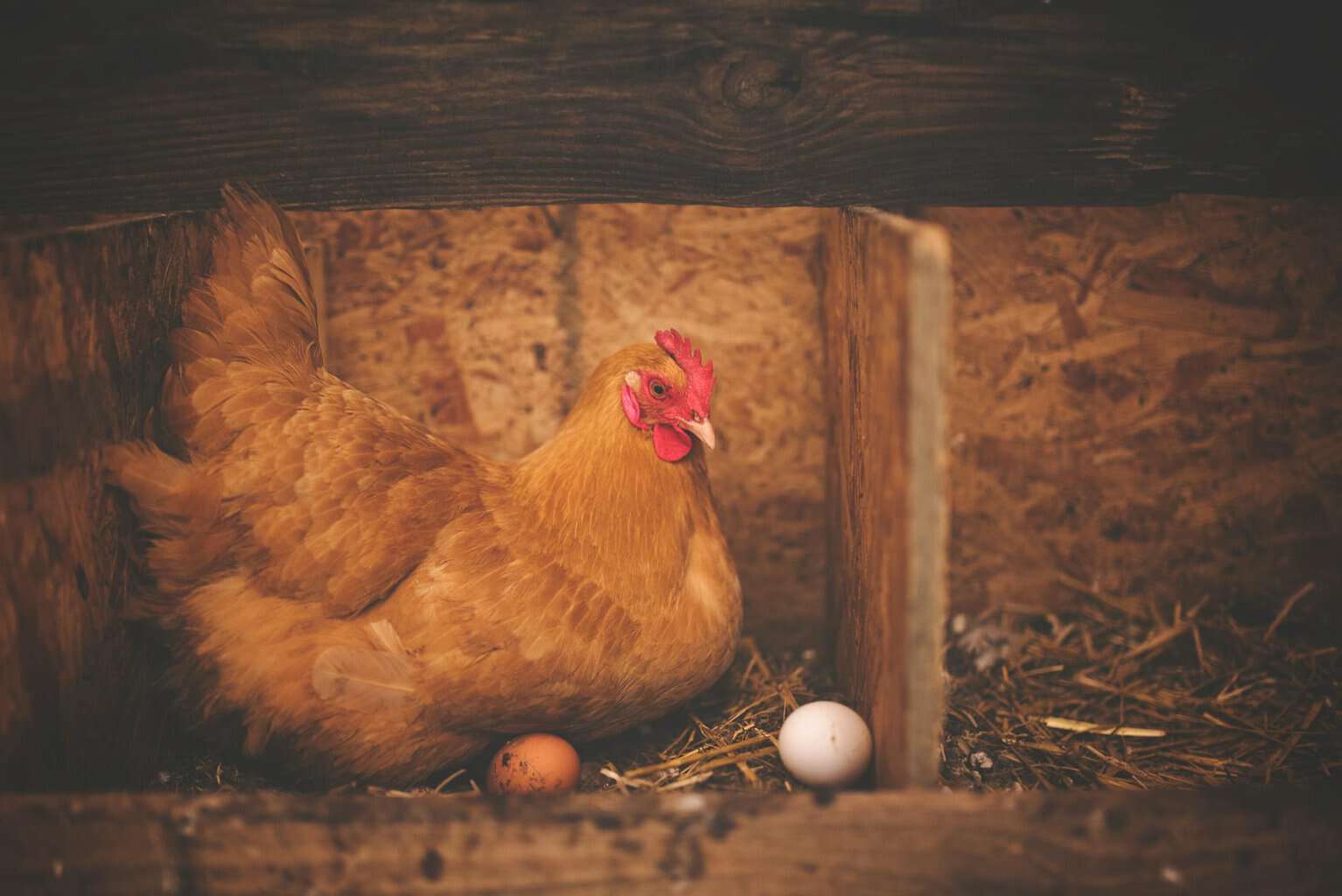
via Nature Communications, 02 April 2024: Recent archaeological and molecular studies reveal that chickens, domesticated for their egg-laying abilities, were integral to diets across southern Central Asia from the 4th century BC. This research, spotlighting eggshell evidence from various sites, suggests that chickens’ dispersal may have aligned with the ancient Silk Road, marking a significant step in understanding domestication timelines and practices. The transformation of chickens from seasonal layers to prolific egg producers through selective breeding underscores the evolving human-animal relationship and the agricultural advancements along this historic trade route.
The origins and dispersal of the chicken across the ancient world remains one of the most enigmatic questions regarding Eurasian domesticated animals. The lack of agreement concerning timing and centers of origin is due to issues with morphological identifications, a lack of direct dating, and poor preservation of thin, brittle bird bones. Here we show that chickens were widely raised across southern Central Asia from the fourth century BC through medieval periods, likely dispersing along the ancient Silk Road. We present archaeological and molecular evidence for the raising of chickens for egg production, based on material from 12 different archaeological sites spanning a millennium and a half. These eggshells were recovered in high abundance at all of these sites, suggesting that chickens may have been an important part of the overall diet and that chickens may have lost seasonal egg-laying
Source: Archaeological and molecular evidence for ancient chickens in Central Asia | Nature Communications
See also: