


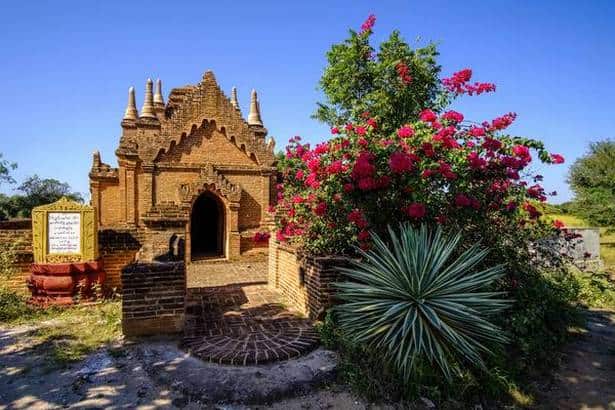
via The Hindu, 16 August 2019: The author is also author of the book Myanmar in the World: Journeys Through A Changing Burma
Conservation and what it constitutes has been a constant source of tension between Burmese and international experts. The popular perspective in Myanmar is that pagodas are living monuments meant for daily worship, which means people must be allowed to repair them, renovate them, re-gild them, not leaving it to be as it was previously, an ossified temple unconnected from the belief system which gives it life. UNESCO officials themselves have acknowledged that, to Burmese Buddhists, ‘restoring a temple doesn’t mean so much restoring it to how it originally looked as enabling it to become a place of worship again’.
Despite these philosophical divergences, what has never been in dispute is Bagan’s universal value as a cultural site. It was, and remains, a place where significant chunks of Southeast Asian history proceeded and can still be observed. The UNESCO’s decision to recognise it now also signals the present government’s willingness for more traditional conservation practices, including taking a harder stance on the reckless commercialisation that has marked the site. It should pave the way for more international collaborations, greater support for improving institutional capacity, and better funding.
Source: Bagan: Pride, pagodas and the UNESCO World Heritage tag – The Hindu