






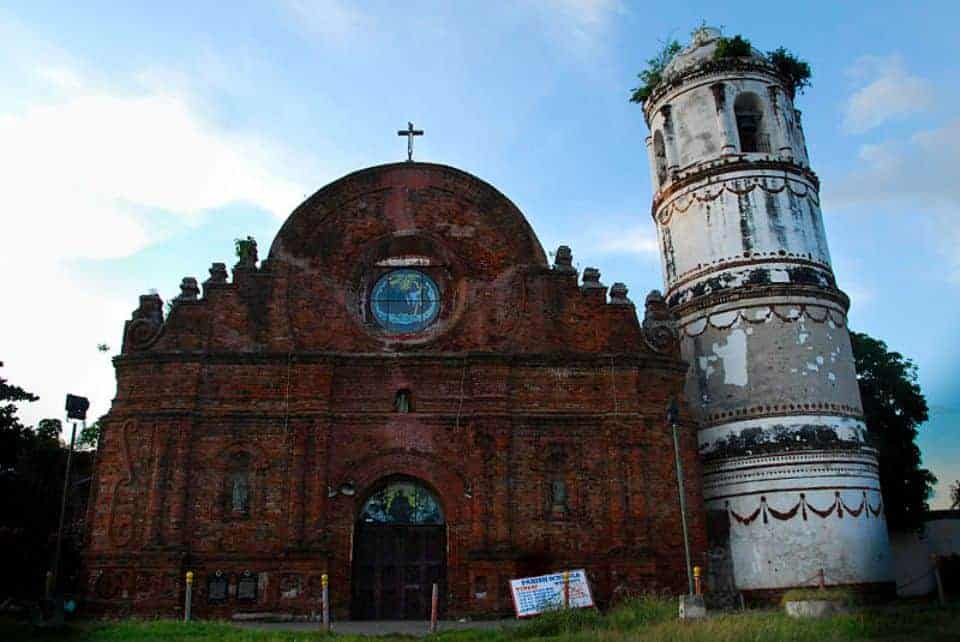
via CNN Philippines, 28 May 2020: Editorial from Kathleen Tantuico (note: I know her personally) about the importance of heritage markers in the Philippines.
Remnants of the Philippines’ colonial history are remembered through significant Spanish-era churches, stone houses, monuments, and other historical sites scattered all over the Philippines. These structures are identified by official heritage markers attached on visible areas within their premises. Heritage markers not only bear the cultural and historical significance of a building or space. They also indicate that such structure or area must be preserved and protected from destruction.
As May, National Cultural Heritage Month, comes to a close, it is important to raise awareness on an important aspect of Philippine heritage: what is a heritage marker, and why is it crucial in ensuring the protection and preservation of significant heritage structures?
The inscription of heritage markers on heritage structures can be traced back to the 1970s, when then-President Marcos declared numerous historical and cultural structures as National Cultural Treasures, National Shrines, Monuments and Landmarks. At that time, these heritage markers merely declared the historical and cultural significance of heritage buildings or sites, and provided no other legal implications.
Source: Why you should care about heritage markers on historical structures